- All
- Product Name
- Product Keyword
- Product Model
- Product Summary
- Product Description
- Multi Field Search


Views: 168 Author: Site Editor Publish Time: 2025-12-05 Origin: Site


Manufacturers often ask why a laser welding machine can outperform traditional welding. The difference in speed, precision, and cost can shape an entire production line. Choosing the wrong method slows growth. In this post, you’ll learn how each welding technology works and when to use it. You'll see clear comparisons to help you pick the best option for your needs.
Laser welding machines direct a concentrated energy beam into a small area, and it melts metal quickly. Traditional welding uses an electric arc that spreads heat across a wider region. These differences shape how the molten pool behaves, how metal responds, and how consistent each weld becomes. The principles below explain why both methods deliver very different results.
A laser welding machine delivers energy through a focused beam, and it heats only a tiny spot. Power density stays extremely high, so the metal melts fast. Energy loss stays low because the beam moves straight into the joint. Traditional welding forms an arc that radiates heat outward, and surrounding metal warms before melting begins. The arc fluctuates, spreads heat unevenly, and increases thermal exposure.
The machine creates coherent light, and optics compress that light into a micro-spot. Energy travels through fiber or mirrors before it hits the workpiece. When the beam reaches the metal, it forms a tiny molten pool that stays stable. Power control, focal distance, and lens quality determine beam precision, and they keep the heat tight within a very small zone.
Simplified beam-concentration workflow
Step | What Happens | Result |
Light generation | Laser source emits coherent energy | Stable starting beam |
Transmission | Energy travels through fiber | Minimal energy loss |
Focusing | Lenses narrow the beam | High power density |
Impact | Metal melts at focal point | Clean, deep weld |
Traditional welding relies on an arc created between the electrode and the metal. That arc jumps, flickers, and radiates heat in many directions. The electrode melts, shielding gas expands, and droplets transfer across the arc. All of this spreads heat widely. The larger thermal footprint makes the weld bead wider and the molten pool less controlled.
A laser welding machine produces rapid melting, and penetration runs deep because the beam pushes into the surface. The molten pool stays narrow, smooth, and calm. Surface tension pulls the edges inward, creating a clean joint. Traditional welding melts material more slowly. The arc stirs the molten pool, and added filler wire widens the bead. Penetration depends on stable hand control, and cooling takes longer.
Laser welding machines generate very small HAZ regions. Heat stays confined, and metal around the joint remains stable. Distortion stays low because expansion and contraction occur in a limited area. Traditional welding heats metal over a broad region. Grain structures change, and the part may warp after cooling.
Feature | Laser Welding Machine | Traditional Welding |
HAZ Size | Very small | Wide |
Distortion | Low | High |
Cooling Speed | Fast | Slow |
Finish Quality | Often no grinding | Usually needs grinding |
Laser welding machines never touch the metal. The beam hovers above the surface, so no pressure or tool wear occurs. It keeps the weld zone clean, and the torch stays stable. Traditional welding requires the electrode or filler to remain close to the molten pool. Touching the metal can interrupt the arc or contaminate the weld.
Laser welding machines produce consistent results because the beam remains stable. Automation keeps parameters identical, and welds look the same across long production runs. Traditional welding depends on operator motion. Even skilled welders vary travel speed, stick-out, and arc angle during long shifts. These small variations increase porosity, cracking, and uneven penetration.
Laser welding machines deliver performance levels that traditional welding methods cannot match, and the differences appear clearly in speed, precision, and weld quality. Their fast energy delivery allows them to move across joints quickly, while traditional machines rely on slower arc processes. These performance factors influence productivity, part accuracy, and long-term manufacturing costs, so understanding them helps businesses choose the right welding technology.
A laser welding machine melts metal instantly because it pushes concentrated energy into a small zone. It moves along the joint quickly, and many systems reach speeds several times faster than arc-based processes. Traditional welding uses an arc that warms the metal slowly, so movement must stay controlled. This slows the weld, and heat spreads outward.
Speed comparison
Process | Typical Speed | Notes |
Laser Welding | 1–2 m/min (handheld) to 10+ m/min (robotic) | Fast melt rate |
MIG Welding | 0.5–3 m/min | Faster than TIG |
TIG Welding | 0.1–1 m/min | Slow, high skill |
Laser systems save time because they reduce passes, limit distortion, and eliminate long preheat cycles.
Laser welding machines produce extremely small spot sizes, and this makes the weld bead narrow and clean. It reduces deformation because the metal absorbs heat only in the targeted area. Traditional welding creates larger arcs, and that increases the molten pool size. More heat moves into the base metal, so parts bend or warp more easily.
Laser precision reduces grinding, sanding, and straightening. Traditional welding often needs more post-processing because the bead spreads outward, and edges become uneven.
A laser welding machine forms deep and narrow welds. The beam penetrates directly into the joint, and molten metal flows smoothly. Many systems create welds strong enough for high-stress components. The narrow profile also reduces porosity because the molten pool cools quickly.
Traditional welding forms wider and shallower joints. The arc agitates the molten pool, and filler wire may introduce gas pockets. Cooling happens slowly, so pores and micro-cracks appear more often.
Feature | Laser Welding Machine | Traditional Welding |
Penetration | Deep and narrow | Shallow to moderate |
Porosity | Low | Higher risk |
Strength | High | Depends on operator skill |
Laser welding machines perform well on thin sheets because they keep heat tightly controlled. It reduces burn-through and protects delicate components. They also excel on thick metals when using high-power systems, and they create deep penetration in a single pass.
Traditional welding burns through thin sheets easily. Experienced welders can manage this, but the margin for error stays small. Thick metals require multiple passes, filler wire, and careful arc control.
Laser welding machines handle reflective metals like aluminum because their beam power can penetrate quickly. Many systems adjust frequency or beam mode to stabilize energy absorption. They also join exotic materials such as titanium and nickel alloys effectively. Dissimilar metals fuse cleanly because the beam reacts differently to each surface.
Traditional welding struggles on reflective or exotic materials. The arc reflects off bright surfaces, and heat spreads unevenly. Dissimilar metals often crack because the arc warms both sides slowly, and expansion rates differ.
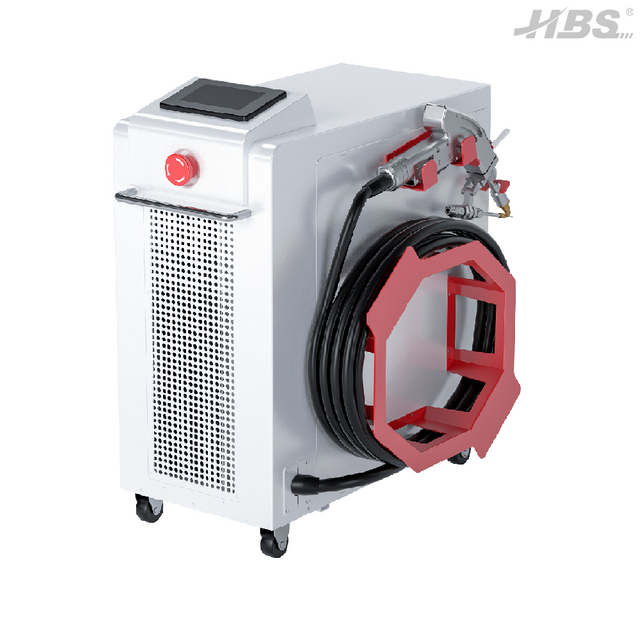
Laser welding machines require less manual skill for basic operation. The machine stabilizes the beam automatically, and many handheld models guide users through presets. Automation helps maintain identical welds across large batches. Operator fatigue also drops because movement stays simple and steady.
Traditional welding depends heavily on the welder. The arc changes as the operator moves, and small hand variations affect bead shape, penetration, and overall quality. Consistency becomes difficult during long shifts, and training takes significantly longer.
Industries rely on different welding technologies because their products, environments, and production demands vary widely. A laser welding machine offers precision and high-speed performance, while traditional welding provides rugged strength and flexibility. Each sector chooses its welding method based on material types, volume, and the working conditions it faces daily.
Laser welding machines perform extremely well in industries where accuracy, repeatability, and clean welds matter. The automotive sector uses laser systems to join battery components, drive units, and structural parts. These machines produce deep welds quickly, and this helps factories meet strict quality and safety requirements. Electronics manufacturers depend on precise, low-heat input. It protects tiny circuits, delicate housings, and micro-connectors. Medical device companies need smooth and sterile welds. A laser creates narrow beads that resist contamination, and it avoids excessive heat that could damage implants or surgical tools.
Traditional welding remains dominant in industries that rely on heavy steel structures and outdoor operations. Construction teams use MIG, TIG, and arc systems to build frames, beams, and large metal structures. These methods tolerate dirt, moisture, and wind more effectively. Shipbuilding requires powerful joints across thick plates. The arc weld creates strong, wide beads that perform well under intense pressure. Repair technicians also choose traditional welding because it handles worn metal, rust, or irregular surfaces better than a laser.
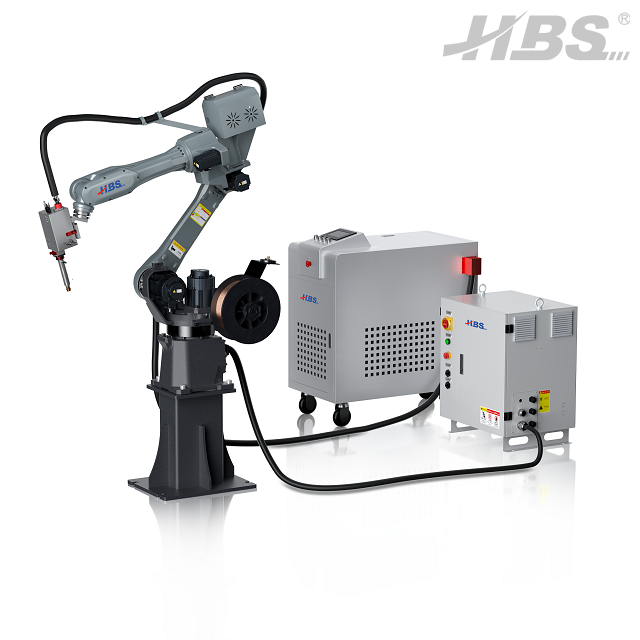
A laser welding machine fits perfectly in high-volume production. Robotic lines repeat the same weld thousands of times, and lasers provide consistent results. Companies benefit from speed and minimal post-processing. This reduces overall cycle time, and factories avoid labor-intensive finishing steps.
Custom fabrication shops work differently. They handle unique projects, and each weld may vary. Traditional welding gives operators more flexibility because they can adjust the arc, filler, and motion instantly. It supports complex shapes, mixed conditions, and changing angles.
Scenario | Laser Welding Machine | Traditional Welding |
High-volume manufacturing | Excellent | Moderate |
Custom single-piece builds | Moderate | Excellent |
Rapid-cycle production | Strong advantage | Slower |
Complex geometry | Possible but difficult | Easy to adjust |
Laser systems dominate repetitive or automated production lines, and traditional welding remains valuable for one-off fabrication or irregular designs.
On-site welding demands flexibility because conditions change quickly. Traditional welders operate in construction zones, shipyards, repair facilities, and remote environments. These machines tolerate dust, vibration, and temperature swings. Power sources remain simple, and the welder can set up equipment in minutes. They also work effectively outdoors, where wind or humidity can disrupt laser welding.
Laser welding machines perform best in controlled conditions. Many models require stable electricity, protective lenses, and clean environments. Handheld laser welders have become more portable, and they work faster than many arc tools. They still require careful handling because bright light, reflective surfaces, and outdoor glare affect beam stability.
Tip: Laser systems now appear in some on-site repair tasks, but traditional welding continues to serve as the main tool where mobility and durability matter most.
Choosing between a laser welding machine and a traditional welding machine often starts with cost. Each system carries different expenses, and companies need to understand how equipment price, consumables, labor, and long-term performance affect overall investment. A laser system looks expensive at first, but its operating efficiency changes the total cost over time.
Laser welding machines usually cost more upfront. A handheld system starts in the mid-range price level, and high-power robotic units reach significantly higher. The price depends on power output, cooling systems, automation features, and the type of laser source. Fiber lasers cost more because they deliver greater stability and longer service life. Traditional welding machines stay far cheaper. Entry-level MIG or TIG units fit into a low-budget range, and industrial models still cost much less than laser equipment.
Consumables and maintenance change long-term spending significantly. A laser welding machine does not use filler wire in most projects, and it requires no shielding gas for many metals. It only needs protective lenses, fiber heads, or cleaning materials. These parts last long, and they cost less annually than traditional consumables. Traditional welding uses wire, electrodes, shielding gas, and nozzles. These items wear out fast, and their combined cost increases quickly as production grows.
Labor costs rise when a process demands high skill. Traditional welding depends heavily on the operator. TIG welding requires precise hand control, steady movement, and deep expertise. It takes years to train a highly skilled welder, and skilled labor shortages increase wages. MIG welding remains easier, but it still needs trained workers who maintain consistent technique.
A laser welding machine reduces labor intensity. It uses presets and automation, and operators guide the beam instead of shaping the molten pool manually. Training stays short. Many systems maintain consistency on their own, and the machine handles complex adjustments. This reduces labor hours and lowers skill-based payroll costs.
A laser welding machine becomes more cost-effective once production volume increases. It moves faster, reduces rework, and cuts most post-processing time. Distortion stays low, and parts need less grinding or polishing. This saves money as each part passes through the line. Traditional welding takes longer, uses more consumables, and introduces more variability, so total cost rises when output grows.
Laser systems also reduce rejected parts. Consistent beam delivery lowers defect rates, and automation ensures uniform quality. Over time, fewer failed welds mean fewer replacements and fewer warranty issues. Energy savings matter as well. Laser machines use power efficiently, producing more welds per kilowatt.
Laser welding machines offer greater speed and precision than traditional welding. It helps teams reduce distortion and improve quality. Companies can choose the right method by comparing cost, performance needs, and production volume. High-volume industries benefit most from laser systems, while heavy construction still prefers traditional tools. HBS provides advanced laser solutions that deliver stable performance and strong long-term value.
A: A laser welding machine uses a focused beam for fast, precise welding, while traditional welding relies on an electric arc that spreads heat more widely.
A: A laser welding machine delivers concentrated energy, allowing it to weld 3–10x faster than arc-based methods.
A: Yes, a laser welding machine creates a smaller heat-affected zone, which helps prevent warping on thin materials.
A: No, a laser welding machine usually lowers long-term costs because it uses fewer consumables and reduces rework.
A: Automotive, electronics, and medical device manufacturers use a laser welding machine for high-precision, high-volume production.