- All
- Product Name
- Product Keyword
- Product Model
- Product Summary
- Product Description
- Multi Field Search


Views: 0 Author: Site Editor Publish Time: 2024-06-26 Origin: Site


Laser welding machines have revolutionized the process of fabricating sheet metal parts, offering numerous advantages over traditional welding methods. In this article, we will explore the transformative power of laser welding machines and their impact on the fabrication industry. From increased precision and speed to the ability to work with a wide range of materials, these machines provide unparalleled efficiency and quality. Additionally, we will delve into the various applications of laser welding machines in sheet metal fabrication, highlighting their versatility and potential to enhance productivity. Whether you are a manufacturer or a professional in the metalworking field, understanding the advantages and applications of laser welding machines is crucial for staying ahead in today's competitive market. Join us as we delve into the world of laser welding and discover how it is shaping the future of sheet metal fabrication.
Laser welding machines have revolutionized the manufacturing industry with their numerous advantages. These state-of-the-art machines utilize laser beams to join different materials together, offering precision and efficiency like never before. One of the key advantages of laser welding machines is their ability to produce high-quality welds with minimal heat input. This results in reduced distortion and damage to the surrounding areas, ensuring the integrity of the materials being joined.
Another advantage of laser welding machines is their versatility. These machines can be used to weld a wide range of materials, including metals, plastics, ceramics, and even composites. This versatility makes them indispensable in industries such as automotive, aerospace, electronics, and medical device manufacturing. Laser welding machines offer the flexibility to handle various material combinations, allowing for greater design possibilities and improved product performance.
In addition to their versatility, laser welding machines offer exceptional precision. The focused laser beams enable welds with extremely small heat-affected zones, ensuring minimal warping or deformation of the materials. This precision is of utmost importance in industries where even the slightest imperfection can lead to catastrophic consequences. By producing accurate and reliable welds, laser welding machines contribute to the overall quality and durability of the finished products.
Furthermore, laser welding machines are known for their speed and efficiency. The concentrated heat source provided by the laser beam allows for rapid heating and cooling of the materials, resulting in faster welding cycles. This increased productivity translates into cost savings for manufacturers, as they can produce more units in less time. Moreover, the automated nature of laser welding machines further enhances their efficiency, reducing the need for manual labor and minimizing the chances of human error.
One cannot discuss the advantages of laser welding machines without mentioning their environmental benefits. Compared to traditional welding methods, laser welding produces less waste, as it does not require consumables like filler materials or fluxes. Additionally, the precise nature of laser welding minimizes the need for subsequent machining or finishing processes, further reducing material waste. Moreover, the energy efficiency of laser welding machines contributes to lower energy consumption, making them a sustainable choice for manufacturers.

Many manufacturers compare a Laser Welding Machine with conventional welding technologies before making an investment decision.
| Factor | Laser Welding Machine | TIG Welding | MIG Welding |
| Welding Speed | Very High | Low | Medium |
| Precision | Excellent | Good | Moderate |
| Heat Input | Low | High | High |
| Distortion | Minimal | Moderate | High |
| Automation Capability | Excellent | Limited | Moderate |
| Post Processing | Minimal | Moderate | Significant |
| Thin Sheet Performance | Excellent | Good | Moderate |
The data clearly demonstrates why a Laser Welding Machine has become the preferred solution for modern sheet metal fabrication.
Laser welding machines have revolutionized the field of sheet metal fabrication, offering numerous advantages that traditional welding methods cannot match. These machines utilize laser beams to join metal sheets together, creating strong and precise welds with minimal heat distortion. Their applications in various industries have made them indispensable tools for fabricators worldwide.
One of the primary uses of laser welding machines in sheet metal fabrication is in the automotive industry. These machines play a crucial role in the production of automobile components such as body panels, exhaust systems, and chassis. Laser welding ensures a high level of precision and accuracy, resulting in strong and durable welds that contribute to the overall safety and performance of the vehicles.
Another significant application of laser welding machines is in the aerospace industry. The demanding requirements of this sector, including the need for lightweight and structurally sound components, make laser welding an ideal choice. By using laser beams, manufacturers can achieve consistent and high-quality welds on materials like aluminum and titanium, which are commonly used in aerospace applications.
Sheet metal fabrication for the construction industry also benefits greatly from laser welding machines. These machines enable the creation of intricate and complex structures, such as architectural metalwork, staircases, and ornamental features. The precision and speed of laser welding ensure that these structures are not only aesthetically pleasing but also structurally robust and long-lasting.
Furthermore, the electronics industry utilizes laser welding machines for the production of electronic devices and components. Miniature and delicate parts require precise and controlled welding, which laser technology provides. Whether it is joining circuit boards, connecting wires, or assembling tiny components, laser welding ensures the integrity and reliability of the final product.
Before purchasing a Laser Welding Machine, manufacturers should evaluate several important factors.
Common materials include:
Stainless Steel
Carbon Steel
Aluminum
Galvanized Sheet Metal
Brass
Copper
Different sheet thicknesses require different laser power configurations.
| Laser Power | Recommended Thickness |
| 1000W | Thin Sheet Metal |
| 1500W | General Fabrication |
| 2000W | Medium Thickness Parts |
| 3000W+ | Heavy-Duty Applications |
Manufacturers should choose a Laser Welding Machine based on expected production capacity and automation requirements.
Options include:
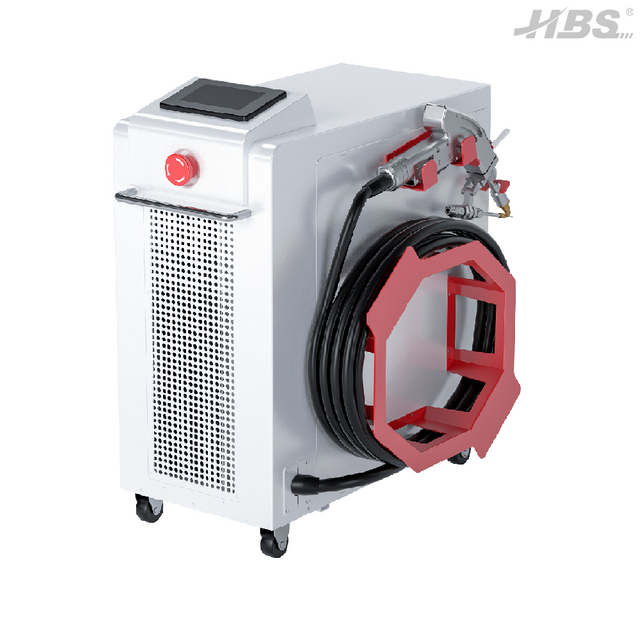
Handheld Laser Welding Machine
Semi-Automatic Laser Welding Machine
Fully Automatic Laser Welding Machine
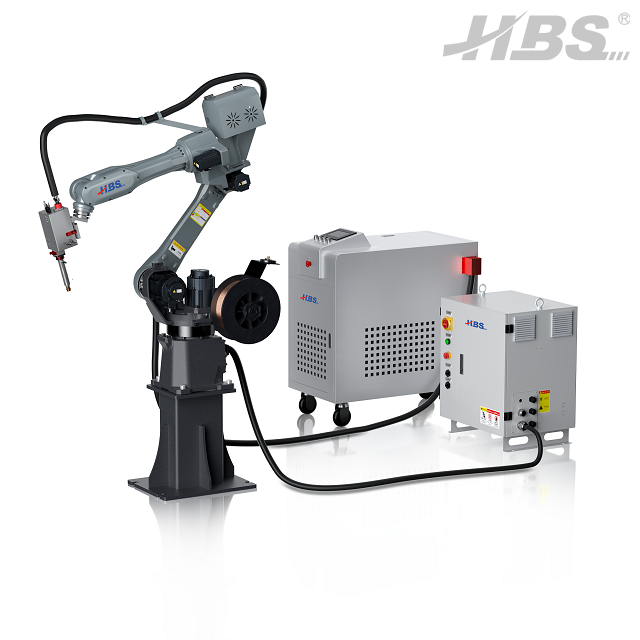
Robotic Laser Welding Cell
The manufacturing industry is moving toward higher efficiency, greater precision, and increased automation. A Laser Welding Machine supports all of these objectives while delivering measurable improvements in productivity and product quality.
Compared with traditional welding methods, a Laser Welding Machine offers:
✓ Faster production speeds
✓ Superior weld quality
✓ Lower distortion
✓ Reduced operating costs
✓ Better automation compatibility
✓ Enhanced product appearance
✓ Improved manufacturing efficiency
For companies involved in the fabrication of sheet metal parts, investing in a Laser Welding Machine is becoming a strategic necessity rather than simply an equipment upgrade.
Laser welding machines have become invaluable in the manufacturing industry due to their numerous advantages. These machines can produce high-quality welds with minimal heat input, offering precision, speed, and environmental benefits. The technology behind laser welding machines continues to advance, leading to even more innovative features and capabilities. In the sheet metal fabrication industry, laser welding machines have found extensive applications. They are indispensable in sectors such as automotive, aerospace, construction, and electronics, where strong, precise, and distortion-free welds are essential. Manufacturers worldwide rely on laser welding machines to achieve superior quality and efficiency in their production processes.
Looking for a reliable Laser Welding Machine to improve the efficiency and quality of your sheet metal fabrication process?
HBS Laser specializes in advanced laser welding solutions designed for sheet metal manufacturing, stainless steel processing, industrial fabrication, and automated production applications. Our experienced engineering team can help you select the most suitable Laser Welding Machine based on your materials, production volume, and manufacturing requirements.
Whether you are seeking a handheld system, an automated production solution, or a fully customized laser welding workstation, HBS Laser is ready to provide professional support and competitive solutions.
Contact HBS Laser today to discuss your project and receive a customized Laser Welding Machine solution tailored to your production needs.