- All
- Product Name
- Product Keyword
- Product Model
- Product Summary
- Product Description
- Multi Field Search


Views: 168 Author: Site Editor Publish Time: 2025-11-28 Origin: Site


Many people start a weld and hope the machine does the rest. But a laser welding machine demands skill and control. Using it the wrong way can weaken joints, reduce precision, and create safety risks. In this post, you’ll learn how to use a laser welding machine safely, correctly, and efficiently. We’ll walk through the full workflow—from setup and parameters to welding, inspection, and maintenance.
A laser welding machine looks simple from the outside, but it contains systems that shape power, focus energy, and protect the operator. Before you begin welding, it helps to understand how the machine works, how it delivers heat, and how different setups change your results. This section explains the types, components, safety rules, material fit, welding modes, and beam behavior, so you can choose the best approach for your job.
Laser welding machines come in several formats, and each supports different tasks. Handheld machines give you flexibility, fast setup, and simple movement, so they work well for repairs, sheet metal, and custom fabrication. Robotic or automated systems offer repeatability, tight tolerances, and stable productivity, especially in automotive or high-volume lines. Micro-welding platforms target electronics, jewelry, and medical tools. High-power units handle thick metals, while air-cooled models support lighter work, and your choice depends on speed, joint complexity, and precision needs.
A laser welding machine depends on optics that guide and focus the beam, and clean lenses keep power stable. Fiber cables carry the laser to the welding head, and any bending or fraying reduces quality. The nozzle directs shielding gas around the weld pool, protecting it from oxidation. Cooling systems—air or water—control temperature, and the control panel lets you set power, mode, speed, and focus. Each part affects weld stability, so early checks matter.
Most laser welding machines fall into Class 4, so they create risks for burns, fires, and eye damage. Operators wear wavelength-matched safety glasses, gloves, and long sleeves for protection. Interlocks stop the laser during unsafe conditions, and barriers block reflections. Many machines include emergency stops and enclosure sensors, and you should verify these before operation.
Materials absorb heat differently. Stainless steel welds smoothly because it handles heat well. Aluminum reflects more light, so it needs higher power and tight focus. Titanium reacts quickly to oxygen, which makes shielding gas essential. Brass may soften too fast under high energy, and plastics require specific absorption layers. Material thickness also affects weld penetration and beam behavior.
Laser welding machines offer modes that control how the beam delivers energy. Continuous mode creates long, smooth joints for frames or sheets. Pulse mode fires short bursts, helping with heat-sensitive parts. Spot welding creates tiny weld points for tabs or overlaps. Seam welding moves a spot quickly to form a continuous line. These modes shape heat flow and final weld appearance.
Beam characteristics influence how the metal melts. High power density increases penetration but raises burn-through risk. Spot size decides how concentrated the heat becomes; smaller spots create deeper welds, and larger spots spread energy. Focus position controls where the beam energy peaks. A slight shift changes weld strength, so precise focus helps avoid cutting or weak fusion.
A handheld laser welding machine works well for mobile jobs, angle control, or irregular shapes. It reduces fixtures and supports quick adjustments. Robotic systems fit repetitive or long welds and deliver consistent accuracy across thousands of cycles. Factories choose robots for complex paths, and workshops choose handheld units for flexibility.
Machine Type | Best For | Precision Level | Speed | Operator Skill |
Handheld Laser Welding Machine | Repair, custom parts, sheet metal | Medium | High | Moderate |
Robotic/Automated Laser Welding Machine | Mass production, complex paths | Very High | Very High | Low after setup |
Micro-Welding Machine | Electronics, jewelry, medical tools | Extreme | Low | High |
High-Power Industrial Machine | Thick steel, structural tasks | High | Medium | High |
Preparing a laser welding machine starts long before the beam hits the metal. The setup stage builds safety, stability, and weld quality. It helps prevent hazards, keeps the machine running smoothly, and ensures the material is ready for clean fusion. Each step—safety, machine checks, material prep, and shielding gas—plays a direct role in your final weld, so careful preparation matters.
Laser welding machines create intense light, heat, and fumes, so operators need proper protection. Laser-rated glasses match the machine’s wavelength, and they block harmful radiation. Gloves protect your hands from hot surfaces, sparks, and accidental contact.
An enclosure helps limit reflections and reduces the chance of stray beams entering open space. They also help contain fumes so ventilation can pull them out quickly. Good airflow reduces smoke buildup, and cleaner air improves visibility around the weld zone.
Operators check safety signs, emergency stops, and restricted-access areas. These steps help everyone stay aware of risks in the workspace.
A quick inspection makes a big difference in weld stability. Optics need clean surfaces, so dust or oil doesn’t scatter the beam. Fiber cables must stay straight, and bends can weaken power delivery. Inspecting connectors ensures nothing comes loose during operation.
Cooling systems regulate machine temperature. Air-cooled units rely on filters, and they clog easily. Water-cooled machines require steady flow and clean coolant. If the cooling system fails, internal parts overheat. Interlocks protect the operator. They stop the beam when doors open or when hardware detects unsafe conditions. A fast check confirms that the system reacts correctly to unexpected changes. Below is a simple inspection reference:
System | What to Check | Why It Matters |
Optics | Clean lenses, no scratches | Stable beam power |
Fibers | No bends, no frays | Consistent delivery |
Cooling | Flow, temperature, filters | Prevents overheating |
Interlocks | Correct trigger response | Safety compliance |
Good welds start from clean material. Dirt, rust, and oil block proper melting, so surfaces need wiping or brushing. Cleaning creates a smooth path for the laser beam.
Next, the workpiece must sit in the correct position. Even small gaps change penetration, so stable contact helps heat flow evenly. Clamping tools hold parts steady, and they reduce movement during thermal expansion.
When parts line up and stay locked, the weld bead forms more predictably. Proper support also helps handheld operators control the torch angle.
Shielding gas protects the weld pool from air. Argon works for most metals, and it keeps the bead smooth. Helium creates hotter arcs, and it fits thicker or highly reflective materials.
Gas flow must stay steady, but too much flow creates turbulence. Operators adjust flow meters so the gas forms a clean shield over the molten area. Many machines open the gas a few seconds before the laser; it clears oxygen so the weld pool forms cleanly.
Tip: A stable shield removes oxidation, improves bead color, and reduces porosity. Proper setup here saves time during inspection later.
Setting the right parameters helps a laser welding machine deliver clean, strong, and repeatable welds. Each parameter shapes heat, penetration, and bead quality. Power, focus, speed, and gas flow work together, so small changes can shift the entire weld. Understanding how they interact makes the machine easier to control during real work.
Laser power controls how deeply the beam melts the metal. Thin stainless steel needs lower power so it doesn’t burn through. Thick steel or aluminum may need higher power because they pull heat away faster. Aluminum reflects light, so operators often increase power.
Power choices also depend on part design. Small parts may use low power to avoid distortion. Larger structures handle more heat. Below is a simple power guide:
Focus position decides where the beam reaches maximum intensity. If the focus sits too high, it spreads heat and weakens penetration. Too low, and it cuts too aggressively. Operators adjust the lens so the beam enters the joint at the correct point.
Spot size also impacts heat. A small spot creates deeper welds, while a larger spot softens the beam and helps prevent burn-through. Clean optics keep the spot consistent, and even small dust marks can change its shape.
Welding speed controls how long the beam stays on the metal. Slow travel increases penetration but risks overheating and distortion. Fast movement lowers heat input and fits thin sheets.
Different materials respond differently, so testing speeds helps. Operators watch the molten pool to see if it stays stable. A smooth pool signals balanced energy, while gaps or ripples hint at issues. Many handheld machines work best at moderate speeds to maintain control.
Shielding gas protects the weld pool from air, so correct flow matters. Too little gas causes oxidation and porosity. Excessive flow creates turbulence, and it blows the molten metal.
Argon fits most materials. Helium suits deeper welds or reflective metals. Operators open the gas slightly before firing the laser, and they keep it flowing briefly after stopping. This protects the bead as it cools. Gas adjustments help stabilize color, texture, and overall weld strength.
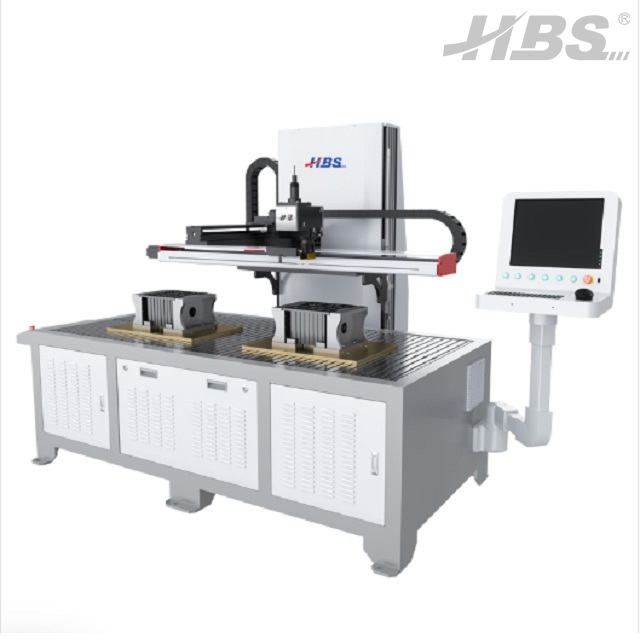
Operating a laser welding machine requires a clear workflow. Each step builds on the previous one, and small mistakes can affect weld quality. The machine behaves differently based on power, focus, torch angle, and travel speed, so understanding each action helps you stay in control. This section walks through the entire operation sequence, from starting the machine to finishing the weld safely.
A laser welding machine needs a stable startup process. Operators begin by turning on the main power, and the machine performs internal checks. Fiber lasers warm up fast, while older systems may take longer. The cooling system also activates, and it keeps internal parts within safe temperature limits.
Many machines include a self-diagnostic screen. It confirms beam stability, gas flow, and system temperature. If the system detects errors, it pauses operation. Once the machine reaches ready status, the user may load presets or select welding modes.
Step | Action | Purpose |
1 | Power on main switch | Start system electronics |
2 | Activate cooling | Prevent overheating |
3 | Run diagnostics | Check stability |
4 | Load parameters | Prepare for welding |
Correct positioning helps the laser hit the joint accurately. Robotic systems use programmed paths, and the machine adjusts coordinates automatically. Handheld systems require the operator to place the torch near the joint. A small gap helps keep the focus steady.
The welding head must align directly over the seam. Even slight rotation changes the angle of energy entering the metal. When using a handheld device, operators check visibility and lighting. They keep their hands steady so the torch doesn’t shake during the weld. Complex shapes may need fixtures. Fixtures help hold parts at angles that fit the welding head’s reach.
Torch angle controls how heat spreads in the joint. Many operators hold the torch between 15° and 30° for smoother travel. A steeper angle may concentrate energy too much. A shallow angle may scatter the beam.
Distance also matters. Most handheld machines work best when the torch sits a few millimeters from the metal. If the torch gets too close, it may overheat the surface. Too far, and the spot expands. Keeping distance stable improves penetration and bead shape.
Practice helps develop consistent motion. Operators sometimes rest their fingers on the workbench to reduce shaking.
The welding phase demands attention to motion. Travel speed decides how much heat enters the joint. Slow movement deepens penetration, and fast movement reduces heat. If the pool becomes unstable, speed usually needs adjustment.
Weaving patterns help widen the bead. A small side-to-side motion, only a few millimeters, fills gaps more evenly. Operators use weaving when welding thicker metals or when fitting mismatched edges.
Corners require extra control. Heat builds quickly in corners, so operators may slow down slightly then pause for a brief moment. Robots handle corners using programmed path adjustments, and they change speed automatically.
A laser welding machine reacts fast to movement, so smooth hand control matters. Jerky motions create uneven beads, and sudden direction changes may break the molten pool.
Finishing the weld involves controlled steps. The operator releases the laser trigger, and the beam shuts off instantly. However, shielding gas continues flowing for a few seconds. This protects the cooling metal from air and prevents oxidation.
As the weld cools, operators avoid spraying water or blowing air directly onto the joint. Rapid cooling may cause cracking or distortion. Most materials cool naturally, and the bead settles into its final shape.
The machine then enters standby mode. Many systems cool internal parts for a short period. Operators inspect the bead visually to check for holes or discoloration. They also record any parameter changes.
Below is a quick cooling and shutdown chart:
Process | Action | Why It Helps |
Gas Post-Flow | Keep gas on 2–3 seconds | Prevent oxidation |
Natural Cooling | Let metal cool slowly | Reduce cracking |
System Cooldown | Allow machine to stabilize | Protect components |
Visual Check | Inspect bead | Confirm weld quality |
Post-operation procedures help keep a laser welding machine reliable, clean, and safe. Once the weld is complete, the operator follows a controlled sequence to protect the equipment and prepare it for the next job. These steps also improve weld consistency because they reduce contamination and help track performance over time.
A proper shutdown protects internal components. Operators start by turning off the laser source, then stopping the shielding gas supply. Cooling systems run for a short period so internal hardware reaches a safe temperature.
After cooling, the machine powers down completely. Handheld systems may need disconnecting from power or gas lines. Robotic platforms return to a home position, and the controller resets. Each action prevents overheating, leaks, or accidental activation.
Weld inspection begins once the metal cools enough to touch. Operators look for porosity—small holes that weaken the bead. Cracks may form when heat changes too quickly, and they appear near edges or corners. A smooth surface usually signals stable travel speed and correct power.
Different defects hint at different issues. Porosity often means poor gas flow. Cracks can mean rapid cooling. Rough surfaces may relate to unstable torch angle or inconsistent focus.
Optics require gentle cleaning. Dust or metal particles reduce beam strength, so operators use lint-free wipes and approved lens cleaners. Fiber connectors stay straight, and they must never bend sharply. Nozzles collect debris during welding, so brushing them helps maintain gas coverage.
Cooling filters also need attention. Air filters clog, and water systems may trap minerals. A clean system keeps temperatures stable.
Recording parameters helps create repeatable results. Operators note power, speed, focus position, gas flow, and material type. They also log any issues.
A simple table helps track consistency:
Parameter | Recorded Value | Notes |
Power | ___ | Material and thickness |
Speed | ___ | Travel behavior |
Gas Flow | ___ | Shielding stability |
Focus | ___ | Penetration quality |
Using a laser welding machine becomes safer and easier when you follow clear steps. Proper setup, correct parameters, and steady technique create strong and stable welds. A repeatable workflow also improves results, and routine inspections keep the machine reliable. Companies like HBS offer advanced systems that support precise control and consistent performance, making each weld more efficient and dependable.
A: Begin by checking the laser welding machine, setting safety gear, and preparing clean materials.
A: Power, focus, speed, and gas flow each affect how the laser welding machine forms the weld.
A: Poor shielding gas flow or dirty surfaces often cause porosity during laser welding machine operation.
A: Yes, a handheld laser welding machine works on aluminum, but it may need higher power and steady gas flow.


