- All
- Product Name
- Product Keyword
- Product Model
- Product Summary
- Product Description
- Multi Field Search


Views: 162 Author: Site Editor Publish Time: 2026-07-16 Origin: Site


Moving massive engine blocks or structural steel frames across a busy workshop floor creates a major logistical nightmare. You waste critical man-hours handling awkwardly shaped components. Fabricators often move heavy pipe flanges simply to engrave a basic serial number. Modern supply chains cannot tolerate these severe operational inefficiencies. Heavy industries face stringent regulatory demands for permanent traceability. You must apply readable DataMatrix codes, Vehicle Identification Numbers (VINs), and product serial numbers directly onto components. These essential marks must happen before the product leaves the manufacturing facility. Bringing every bulky part to a stationary benchtop marker is often physically impossible. A portable pneumatic marker directly bridges this frustrating operational gap. These handheld systems deliver industrial-grade, extremely deep engravings. They allow you to maintain vital floor-level mobility. Operators carry the tool directly to the workpiece safely. You only need the right workshop infrastructure to support them. You will discover how pneumatic power transforms part identification processes below.
Operational Agility: Portable units eliminate the need to transport heavy tonnage to stationary marking stations, reducing safety risks and handling time.
Marking Depth: Pneumatic power reliably delivers deep, durable marks that survive post-processing treatments like galvanizing, powder coating, or sandblasting.
Infrastructure Requirement: Adoption requires a consistent, regulated compressed air supply—a critical factor for deployment in field vs. localized workshop environments.
You face hidden operational costs every time you move heavy castings. Forklift operation consumes valuable skilled labor hours. Workers risk serious physical injury maneuvering large structural frames across the facility. You lose measurable production time merely to apply a serial number. Material handling bottlenecks slow down your entire assembly line. Moving a three-ton steel beam to a marking bench remains entirely inefficient. This daily friction reduces your overall output significantly.
Regulators and high-level clients demand strict traceability compliance. Automotive manufacturing standards require deep, permanent VINs on chassis components. The National Highway Traffic Safety Administration strictly regulates these identification numbers. Aerospace defense contracts mandate Unique Item Identifier (UID) markings for precise part lifecycle tracking. The Department of Defense enforces these stringent UID policies. Oil and gas API specifications dictate rigorous direct part marking (DPM) protocols for pipeline valves. You must ensure these critical identification codes survive harsh environmental field conditions. A faded serial number causes massive auditing failures years later.
Handheld dot peen technology solves this specific immovability problem. Operators carry the specialized marking head directly to the asset. You completely bypass the need to transport heavy tonnage. Workers apply required codes while the part remains securely on the welding table. This specific method establishes a new efficiency standard for industrial traceability.
A pneumatic marking machine excels at delivering raw physical force. Compressed air drives a dense carbide pin rapidly into the metal substrate. You can achieve impressive penetration depths spanning 0.1mm to 1.0mm. This specific marking depth depends directly on the base material hardness. Deep marks remain fully legible after aggressive post-processing treatments. Your engraved serial numbers survive heavy galvanizing, thick powder coating, or aggressive sandblasting. You guarantee long-term readability in highly challenging industrial environments.
Industrial workshops frequently expose sensitive equipment to harsh dust. Extreme temperature fluctuations plague many heavy manufacturing facilities. Pneumatic systems cleverly lack complex electric motors inside the handheld marking head. They do not overheat during continuous, high-volume production shifts. This thermal resilience makes them highly practical for heavy manufacturing applications. You avoid frequent mechanical breakdowns common in delicate electronic devices.
These tools offer exceptional material versatility across different engineering projects. You can mark soft metals like aluminum, copper, and brass easily. They also handle hardened tool steel up to HRC60 without failing. Operators can switch between different metal alloys effortlessly on the fly. We see this specific flexibility benefiting custom fabrication shops every single day. A single machine effectively manages your entire raw material inventory.
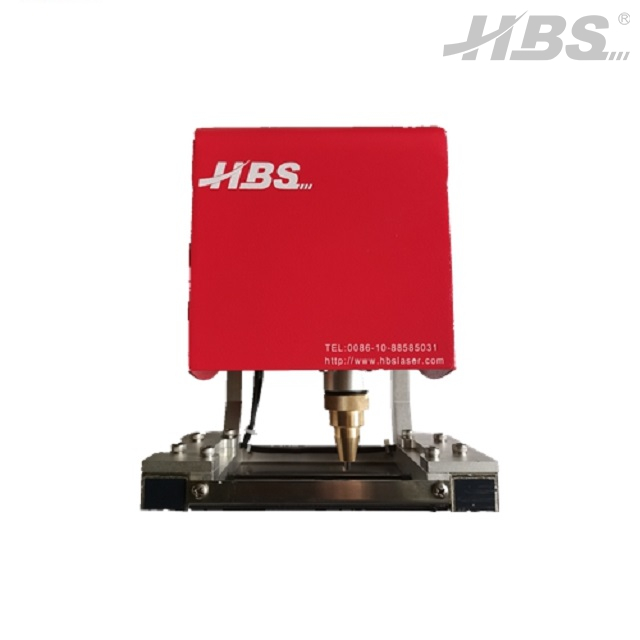
Choosing the correct workshop metal coding machine requires evaluating your available power sources. Pneumatic markers rely entirely on a localized air compressor infrastructure. You must tether the marking unit directly to shop air lines. Electric markers use standard power outlets or portable lithium-ion batteries. They operate completely independently from compressed air distribution grids.
Each system presents clear operational trade-offs between depth and portability. Pneumatic models win decisively on raw marking depth and overall speed. They handle continuous duty cycles effortlessly without overheating concerns. You should deploy them in stationary workshops equipped with piped air systems. Electric models win on ultimate untethered portability across large outdoor sites. They lack cumbersome air hoses dragging behind the operator. You will find electric versions better suited for remote field operations.
We recommend a structured decision framework for equipment buyers. Select pneumatic systems for heavy-industrial coding applications. Use them when massive parts remain stationary near established air lines. Choose electric units for highly mobile field service repair tasks.
Evaluation Feature | Pneumatic Driven Marker | Electric Driven Marker |
|---|---|---|
Primary Power Source | Air compressor lines (tethered) | Battery pack or wall outlet |
Maximum Marking Depth | Very deep (up to 1.0mm) | Shallow to moderate depth |
Industrial Duty Cycle | Continuous, heavy-duty usage | Light to medium-duty usage |
Equipment Portability | Limited strictly by air hose length | Highly untethered and mobile |
Ideal Deployment Environment | Established industrial fabrication workshops | Remote outdoor field operations |
You must evaluate several technical criteria before shortlisting any specific model. Buying the wrong specifications causes immediate operational bottlenecks on your floor. Procurement teams often overlook minor details during the initial purchasing phase. You need to focus on these four critical hardware attributes.
Marking Window Size: You need to match the X and Y marking area to your specific applications. Common physical sizes range from a compact 80x30mm to a spacious 150x50mm. Measure your longest required character strings before authorizing a purchase. Ensure the chosen window easily accommodates your company logos and 2D DataMatrix codes.
Controller Interface and Software: Look closely at the machine's operating system environment. Standalone touchscreen controllers work best for active, dirty shop floors. They eliminate the urgent need for fragile laptop connections near heavy machinery. Built-in system memory allows operators to store common alphanumeric templates. Easy code-generation software speeds up daily production operations significantly.
Tooling Base and Electromagnets: A standard flat base cannot properly secure a rounded pipe. You need specialized V-shaped bases for marking curved structural surfaces. Many advanced models feature powerful electromagnetic base attachments. These magnets secure the machine firmly against vibration during the active marking cycle. You prevent blurry or double-struck characters using strong magnets.
Pin and Stylus Durability: The active striking pin wears down over extended time periods. Check the market availability of replacement carbide pins. High-quality pins withstand repeated intense impacts on hardened steel alloys. Keep a reliable backup supply to avoid unexpected manufacturing downtime.
Successful machine implementation hinges entirely on stable workshop air pressure. Pneumatic machines typically require 0.3 to 0.6 MPa to operate correctly. Fluctuating shop air will create highly inconsistent mark depths across components. A sudden pressure drop ruins critical barcode readability instantly. You must connect the marking unit to a dedicated, regulated air drop. Do not share this air line with heavy pneumatic impact wrenches.
Operators must carefully manage twin umbilicals on the busy workshop floor. You have an air hose and a data cable running to the controller. This bundled cable creates potential workplace trip hazards for walking staff. You should route cables safely away from active forklift traffic zones. Ergonomic overhead balancers help suspend the heavy cables above the immediate workspace.
Routine maintenance strictly dictates the overall lifespan of your expensive equipment. A dirty industrial environment degrades internal moving parts rapidly. You should follow a few essential best practices daily.
Keep the delicate stylus assembly completely free from accumulated metal dust.
Lubricate the primary marking pin regularly to ensure smooth internal oscillation.
Install an inline air filter and moisture dryer combination unit.
Drain accumulated water condensation from your central compressor lines daily.
Inspect the data cable connections for unexpected fraying or bending damage.
A common operational mistake involves completely ignoring moisture inside the air lines. Trapped water travels rapidly through the hose and destroys sensitive internal pneumatics. Rust builds up quietly inside the tool housing. Following these basic daily maintenance practices ensures highly reliable equipment operation. You protect your initial hardware investment effectively through simple preventive care. Workshop supervisors must establish a clear daily checklist for machine operators. This proactive approach drastically reduces unexpected tool failures.
Deploying a portable pneumatic system drastically improves your overall workshop efficiency. It remains the optimal choice for heavy, hard metals requiring deep engravings. You gain impressive industrial-grade marking power without sacrificing essential floor mobility. Your facility simply needs a reliable compressed air infrastructure to support it. Removing the burden of moving massive parts streamlines your daily workflow immediately.
Take these specific action steps before purchasing new traceability equipment:
Verify the daily stability of your shop floor air pressure systems.
Measure the exact physical dimensions of your required text strings.
Request a live sample mark on your specific target metal substrate.
Confirm the visual legibility of the mark after typical post-processing treatments.
Train your floor operators on proper cable management and safe handling.
A: These devices typically require a consistent pressure between 0.3 to 0.6 MPa. This range translates to roughly 40 to 90 PSI. You must provide clean, dry air to prevent internal rusting. Stable pressure ensures consistent pin oscillation and uniform marking depth.
A: Yes, they mark curved objects quite successfully. You need to equip the machine with a specific V-shaped alignment block. This block properly stabilizes the marking head against the outer curve. The effective marking window width remains limited by the pipe's overall radius.
A: Pin lifespan varies significantly based on material hardness and your requested marking depth. A standard tungsten carbide pin usually lasts for several months of continuous, daily use. Operators can often resharpen a slightly worn pin before requiring a full replacement.
A: Yes. Most modern touchscreen controllers easily support standard 2D DataMatrix coding requirements. You simply need to ensure the target metal surface is relatively smooth. A smoother surface provides the necessary visual contrast required by standard industrial barcode scanners.


